Let’s observe design on and off campus and document what you see! Below are the things you need to document for the Design in the Wild assignment.
Name and type of design (signage, packaging, app interface, storefront, etc.).
A photo showing the design in its real context. Take a bunch! One full view and a few detailed views help document the design.
What does the typography look like, and what feeling does it create (formal? cheap? trustworthy? playful?)
How are the content or elements organized—what guides your eye first, second, third? What gets your attention, and what gets lost?
What colors are used, and what job are they doing (or failing to do)? Note whether the colors are trendy, formal, brand-specific, futuristic, etc.
Does this design feel expensive and elevated, or plain and functional? What specific choices tell you that?
Why or why not does the design “work”? Think about usefulness, usability, desirability, and memorability. How does the design hit each of these for its intended users?
Consider These Components of the Scene
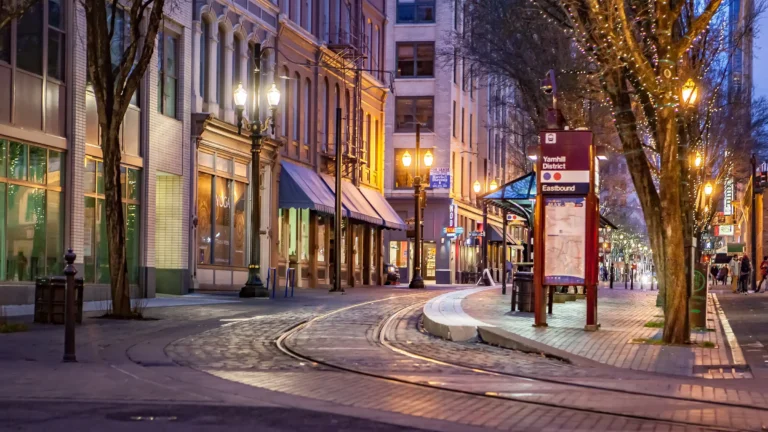
How does the environment that surrounds your observation impact people’s experience?
How does people’s makeup affect their experience?
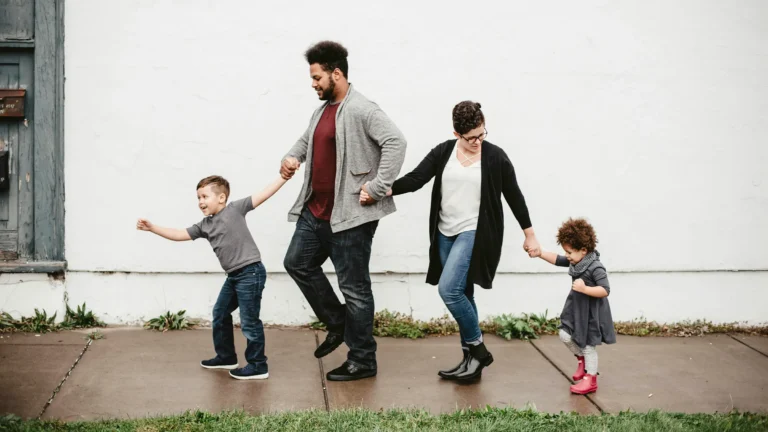
How do people’s relationships and roles shape their experience?

How does the design’s makeup improve or damage the experience?
Look For These
While we are out today, you’ll likely want to pay special attention to these factors. They might reveal some special discoveries!
Context (the Environment)
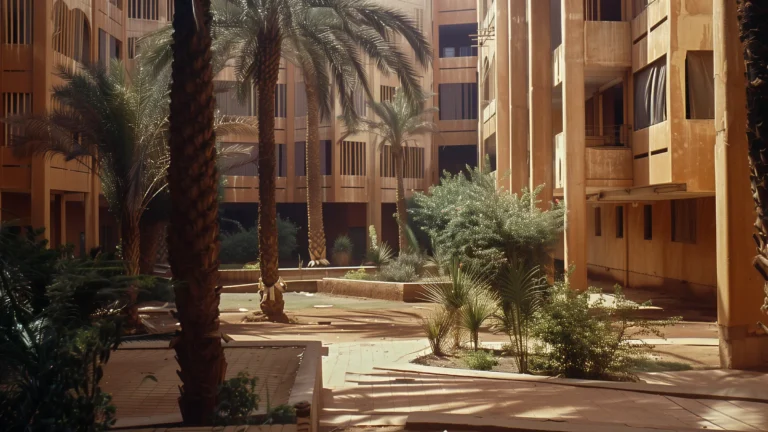
How much space is around the design? Is it cramped? Wide open? Does this impact the experience?

What’s the weather like in this location, and how does it shape people’s experiences?
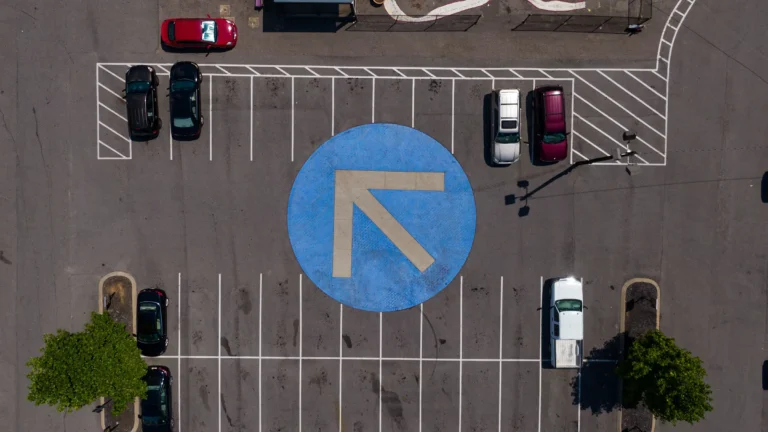
Are there laws in this location that impact how people can use this design? Or are there laws that dictate what kind of design decisions are allowed?
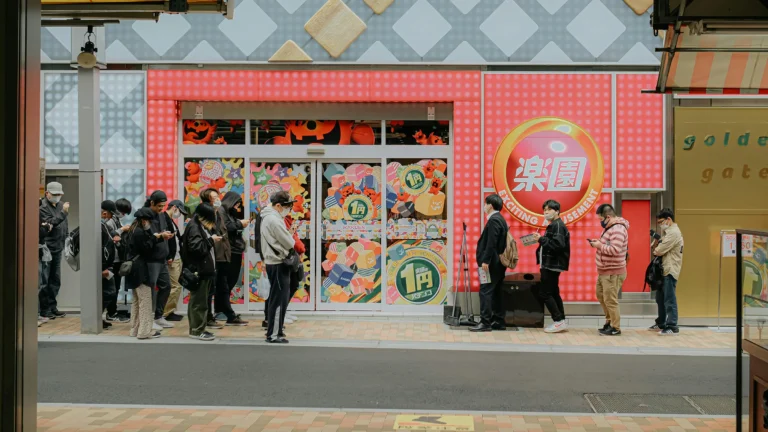
In this location and time, what are the “appropriate” ways people “should” act? What behaviors are frowned upon here? Consider the time of day carefully—it can change the preferred social norms!
People

What are the ages of people in this location? Does it impact their experience with the design?
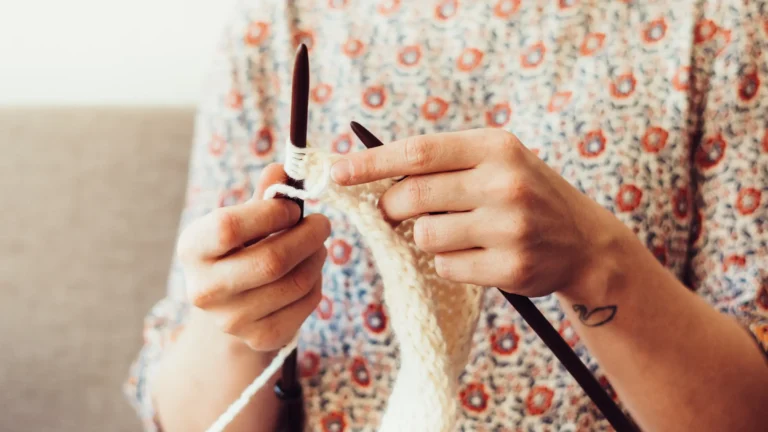
What are people’s abilities? Does this make the design harder to use? Does it diminish the experience?

What are the habits of people who engage with this design? Do those habits support a positive experience?

What are people’s moods in this scene? Does this affect how they experience the design? How does their mood align with the design’s purpose?
Design
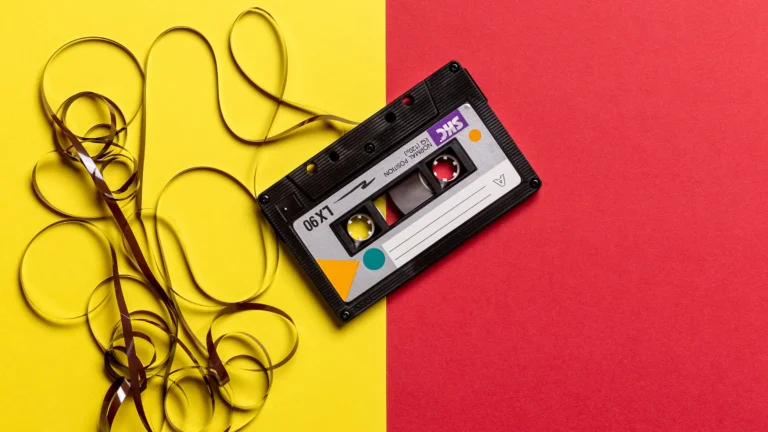
What is the design’s style, and how does it align with its purpose and the people who use it? Does the style alienate people? How does the style communicate to this audience?
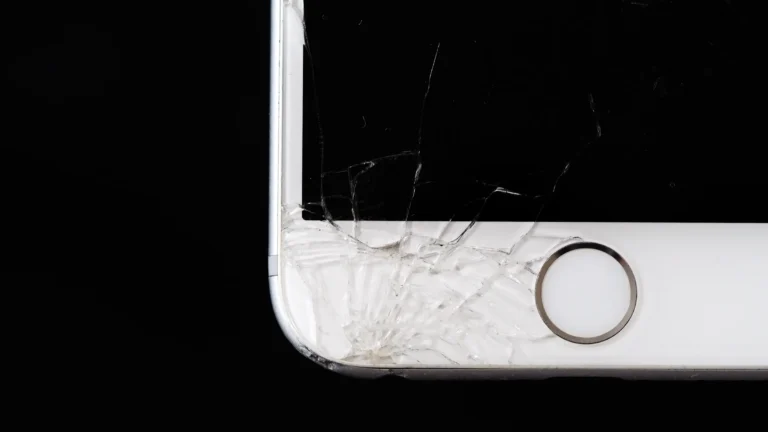
What is the condition of the design? New and functioning well? Broken down and sad?
How useful is this design for particular people, and to whom is it useless or annoying?
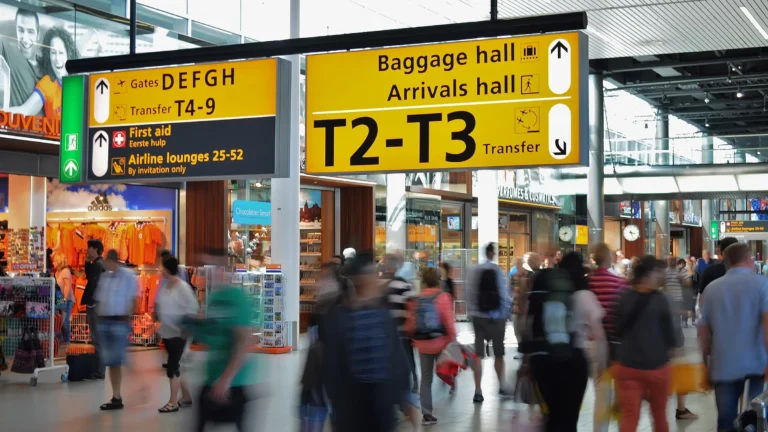
Is the design easy to use? Is it intuitive? Or does the design’s format make it frustrating for some people?
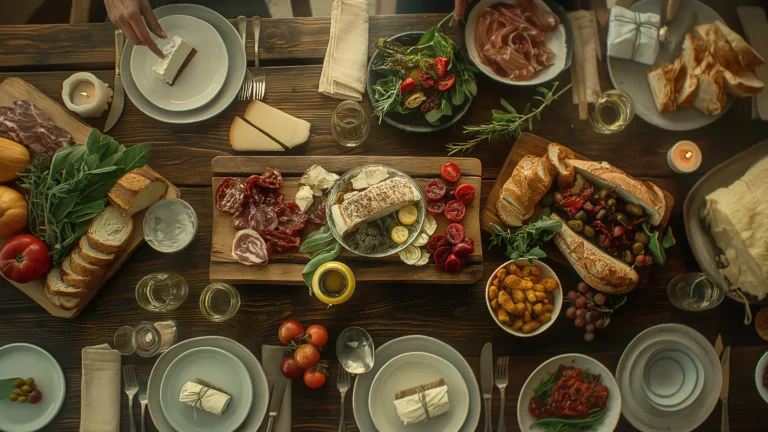
Is the design enjoyable? Do people want it and enjoy it? Who finds it desirable, and who doesn’t? Consider when the design is desirable and when it isn’t, depending on the time of day.
Does this design consider the people who use it and its environment? Is the content sus? Who does this design empower, and potentially, whom might it offend?
What does this design mean to people? It might be a special thing that people cherish, and to others, it might be an eyesore.
How memorable is this design? Does it stick in people’s minds, and do they cherish it? Or is it an afterthought?